
Published
What is funded trading and how does it actually work?

The mechanics are straightforward: A trader passes an evaluation, receives access to a funded account, trades within defined rules, and splits profits with the firm. The firm carries the financial risk; the trader carries the performance risk. That asymmetry is exactly what makes the model attractive to retail traders who are skilled but undercapitalized.
What is funded trading and how does it work?
Quick answer
A funded trading account lets a trader operate with capital provided by a proprietary firm after meeting the firm’s evaluation and risk rules. The firm supplies the account, the trader follows its limits, and profits are split according to the program terms.
A funded trading account operates in distinct stages. Most programs begin with a simulated evaluation where the trader must hit a profit target while staying inside daily loss and maximum drawdown limits. Pass that, and the firm either advances the trader to a second verification phase or moves directly to a live funded account, depending on the program structure.
The key distinction between funded trading and trading your own live account is where the capital risk sits. In a self-funded setup, every dollar lost comes from your pocket. In a funded setup, the firm absorbs the trading loss; you absorb only the evaluation fee if you fail. That fee is the trader’s only real financial exposure.
What are the main types of funded trading programs?
Quick answer
Funded trading programs fall into three broad categories: Multi-phase evaluation programs (most common), single-phase evaluations, and instant funding programs where no evaluation is required. Each type trades off cost, speed of access, and account conditions differently.
Understanding the program types helps you pick the one that matches your trading style and risk tolerance:
- Multi-phase evaluation: The trader passes two sequential stages, typically a profit-target phase followed by a consistency verification, before receiving funded status. These programs usually offer the best profit splits and highest account sizes because the firm has more performance data before committing capital.
- Single-phase evaluation: One stage with a combined profit target and drawdown rule. Faster to complete, though profit splits or drawdown limits may be slightly tighter than two-phase equivalents.
- Instant funding: No evaluation required. The trader pays a higher fee and begins trading a funded account immediately. Learn more about how these programs are structured in this guide on prop firms offering instant funding: trade without evaluation.
- Scaling programs: Some firms layer in automatic account size increases when the trader hits consecutive profitable months, allowing earnings to compound without re-entering an evaluation cycle.
The evaluation model is itself a proprietary trading challenge, a structured test of whether the trader can generate returns consistently without breaching risk rules. Instant funding skips that gate but charges a premium for immediate access:
| Program type | Evaluation required | Best suited for | ||
|---|---|---|---|---|
| Multi-phase | Yes (2 stages) | Weeks to months | 80–90% | |
| Single-phase | Yes (1 stage) | Days to weeks | 75–85% | |
| Instant funding | No | Immediate | 60–80% |
How do you qualify for a funded trading account?
Quick answer
To qualify, a trader must meet the program’s profit target while respecting its daily-loss, overall-drawdown, and trading-day rules. Passing depends on consistent risk control because breaching a limit can end the evaluation even when the account is profitable.
Most evaluations share four core requirements:
- Profit target:
- Maximum daily loss:
- Minimum trading days: Trade on a minimum number of calendar days to prevent luck-based one-session passes. Eleonex requires a minimum of five trading days.
The practical challenge is not hitting the profit target, it is doing so without violating the drawdown rules on a bad day. That is where most evaluation attempts fail. Solid prop trading risk management is the single most important skill to develop before attempting any evaluation.
If you are building the skills needed to pass, structured practice on a simulated account is the fastest preparation route. Eleonex offers evaluation programs that simulate real trading environments and prepare traders for funded accounts with up to $300,000 in simulated capital, as documented in their practice day trading apps, tools, and funded trading path guide.
One thing worth flagging: Moving from simulated practice to a funded account still requires a psychological adjustment. As noted in Eleonex’s simulated trading guide, even transitioning from a $100,000 simulated account to the same nominal size in funded trading demands a mental recalibration, because the performance consequences become real. (eleonex.com)


What are the pros and cons of funded trading?
Quick answer
Funded trading’s main advantage is access to significant capital without personal financial risk on the trades themselves. Its main drawback is that strict risk rules can feel constraining for traders used to managing their own accounts freely, and evaluation fees are non-refundable if you fail.
- Pro, built-in risk discipline: The drawdown rules function as forced risk management guardrails. Many traders find this actually improves their performance over time.
- Pro, no prior capital requirement: Anyone with the skills and the evaluation fee can attempt funded status. This is a meaningful barrier reduction for traders in markets where building personal capital is slow. See our detailed guide on how to get a funded forex account for a step-by-step approach.
- Con, evaluation fees are sunk costs: If you fail the evaluation, the fee is gone. Repeated failed attempts add up.
- Con, rule constraints limit strategy flexibility: Traders who rely on wide stop-losses, high-volatility news plays without permission, or holding large positions overnight may find evaluation rules incompatible with their approach.
- Con, account closure risk: One bad day that breaches the daily loss limit ends the funded account immediately, regardless of long-term performance.
Funded trading is worth it for traders who are consistently profitable in simulation but lack the capital to trade meaningful position sizes on their own. It is not worth it for traders still refining a strategy, using an evaluation as a practice environment is expensive and demoralizing. Discipline, emotional control, and a proven edge matter more than raw talent. Dario C. prop firm payout interview.
A common misconception: Many beginners assume funded trading is essentially free because you are not risking “real money.” The evaluation fee is real money. The time cost of a failed attempt is real. Treat the evaluation like a professional audition, not a free demo account.
FAQ
Funded trading accounts are legitimate when offered by established proprietary firms with transparent rules, verified payout histories, and clear terms of service. The model has operated in professional trading for decades. The key is choosing a firm that publicly documents its payout records and evaluation conditions, vague or missing payout proof is the main warning sign to screen for.
Yes, traders based in Australia can access funded trading accounts through retail prop firms that operate internationally. Most firms accept Australian residents, and there are no blanket restrictions preventing Australian traders from participating. Traders should verify any local tax obligations that apply to profit distributions received from overseas firms.
Traders in India can apply for funded accounts through international prop firms that accept global participants, most do. The process is identical to any other country: Pay the evaluation fee, pass the profit target and drawdown rules, and request a payout once funded. Currency conversion and any applicable Indian tax obligations on foreign income should be checked with a local tax professional before starting.
Beginners can technically apply for funded evaluations, but success rates are low without prior consistent profitability. The better starting path is to build a track record on a practice or simulated account first, develop solid risk management habits, and only attempt a paid evaluation once you can pass the rules consistently in simulation. Paying for evaluations before achieving simulation consistency is an expensive way to learn.
Our Latest Stories
- Company Updates October 17, 2026
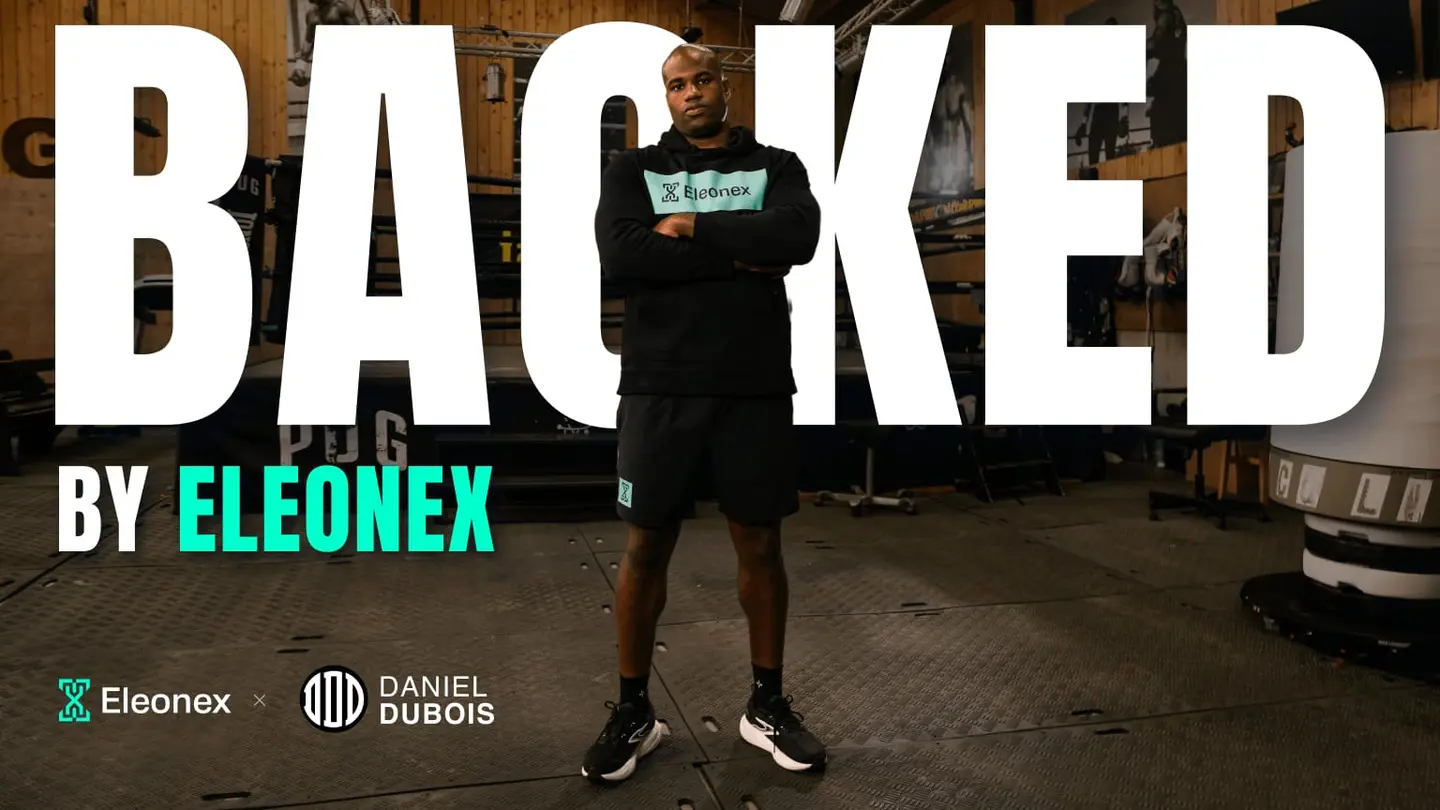
Prop Firm Eleonex Signs WBO World Heavyweight Champion Daniel Dubois as Brand Ambassador
The strategic move brings the Eleonex brand closer to a broader audience. Prop firm Eleonex recently inked a brand ambassador deal with British professional heavyweight…
Read More
- Company News October 12, 2026
Eleonex TradeLocker Partnership: New Trading Platform
Eleonex and TradeLocker are expanding the options available to traders, giving Eleonex traders access to TradeLocker as an additional trading platform. October 8, 2026 —…
Read More - Prop Trading October 12, 2026
What is Eleonex and how does its funded trading work?
Eleonex is a prop rietary trading firm that funds disciplined traders with up to $300K in simulated accounts and shares profits through a reward split.…
Read More

Stay Informed,
Stay Ahead
Bookmark this blog to keep your edge sharp. Whether you're prepping for your first challenge or scaling into a six-figure funded account, our insights are here to help.
