
Published
What is an instant funding prop firm and how does it work?

The key distinction is speed and accessibility. With a traditional evaluation model, a trader completes one or two challenge phases, each with profit targets, drawdown limits, and time constraints, before receiving real capital. An instant funding model removes that gate entirely. You pay an account fee, agree to the firm’s risk parameters, and begin trading on day one. The tradeoff is that instant funding accounts often carry tighter drawdown rules or lower initial profit splits to offset the firm’s increased risk exposure.
What is an instant funding prop firm and how does it work?
Quick answer
An instant funding prop firm is a proprietary trading company that allocates simulated live capital to traders without requiring them to pass a challenge or evaluation. Traders pay an upfront fee, agree to predefined risk rules, and can begin placing trades immediately on instruments such as forex, indices, commodities, and crypto.
Instant funding prop firms operate on a straightforward model. A trader selects an account size, pays a one-time or subscription fee, and receives access to a funded trading environment governed by a maximum drawdown limit and a profit-share agreement. There is no profit target to hit before trading begins, the firm’s revenue comes from the account fee and its retained share of profits generated over time.
The mechanics behind the model matter for any trader evaluating it. Most instant funding firms use simulated capital rather than deploying real market funds directly, which means the risk structure sits primarily on the firm’s side. According to the U.S. Commodity Futures Trading Commission (CFTC) (opens in new tab), retail forex participants should verify whether a firm is registered before placing capital, since unregistered operators carry elevated counterparty risk regardless of their funding model.
Risk controls in these programs typically include a daily loss limit (often 4–5% of account value) and a maximum trailing or static drawdown (commonly 8–12%). Breach either threshold and the account is closed. Understanding those numbers precisely, not roughly, is the single most important step before signing up. For a deeper look at how drawdown rules work in practice, the guide on prop trading risk management covers the mechanics traders most often misunderstand:
- No evaluation phase: Capital is available immediately after account activation.
- Fixed risk parameters: Drawdown limits and daily loss caps are set at sign-up, not negotiated later.
- Instrument access: Most firms support forex, commodities, indices, and crypto, though specific instruments vary.
- Scaling options: Some firms allow account upgrades after consistent profitability, increasing available capital over time.
- Fee structure: The upfront account fee is non-refundable at most firms; some offer a fee refund on the first payout.
Instant funding removes the evaluation gate, but it does not remove accountability. Risk rules are enforced automatically, and a single session of poor discipline can end the account permanently.
What are the benefits of choosing an instant funding prop firm?
Quick answer
The primary benefits of an instant funding prop firm are speed to live trading, no risk of failing a multi-week challenge, and the ability for experienced traders to deploy their strategy from day one. These models also reduce psychological pressure from artificial profit targets that challenge-based programs impose.
Challenge-based evaluation programs create a specific type of trading behavior that does not reflect real performance. Traders under evaluation often over-trade near deadline dates or take outsized risk to hit a profit target in the final days of a phase. Instant funding eliminates that dynamic entirely. A trader manages the account under the same rules on day one as on day ninety, which tends to produce more consistent, strategy-driven trading.
Speed is the most obvious benefit. A trader who qualifies for an instant funded account can be executing live trades within hours of signing up, rather than spending weeks, or months, cycling through evaluation phases. For traders with a proven track record, that time cost of a traditional challenge represents real opportunity cost. If you are still building that track record, the guide on practice day trading tools and the funded trading path is worth reviewing before committing to any funded model.
There is also a psychological benefit that does not get discussed enough. Evaluation phases often create a high-stakes performance environment that is actually counterproductive to sound trading. Removing the evaluation removes the pressure to perform within an artificial window, which research in behavioral finance consistently links to better risk-adjusted decision-making under less time-constrained conditions:
- Immediate capital access: No waiting weeks for challenge results before trading begins.
- No artificial profit targets: Traders manage risk to their own strategy, not a firm-imposed target date.
- Simpler onboarding: One fee, one agreement, one set of rules, fewer moving parts than a two-phase evaluation.
- Lower psychological friction: Consistent rules from day one reduce the pressure-induced errors common in challenge phases.
- Access to multiple instruments: Established instant funding firms typically cover forex, indices, metals, and crypto in a single account.
How do instant funding prop firms compare to challenge-based firms?
Quick answer
Instant funding prop firms give traders capital immediately with no evaluation, while challenge-based firms require traders to hit profit targets across one or two phases before receiving a funded account. The core tradeoff is speed versus initial cost: Instant funding is faster but typically carries a higher upfront fee relative to the account size offered.
The comparison between instant funding and evaluation-based models comes down to four variables: Time to live trading, upfront cost, drawdown flexibility, and profit split. Neither model is universally better, the right choice depends on a trader’s experience level, strategy type, and tolerance for evaluation-phase pressure. For traders newer to funded accounts, understanding the full evaluation process first is valuable; the explainer on what a proprietary trading challenge is and how to pass one covers that side of the decision clearly:
One common misconception is that instant funding firms are less rigorous than evaluation-based ones. That is wrong. The rules are just as strict, the difference is that they apply from trade one rather than after passing a test. A trader who cannot manage drawdown consistently will lose an instant funded account just as quickly as they would fail a challenge phase. The entry barrier is lower; the ongoing discipline requirement is identical.
For traders who want to explore which specific firms currently offer instant funded accounts, the overview of prop firms offering instant funding provides a structured breakdown of what is currently available and what conditions apply.


What should you look for when choosing an instant funding prop firm?
Quick answer
When choosing an instant funding prop firm, prioritize transparent drawdown rules, verified payout history, clear profit-split terms, instrument coverage, and whether the firm is registered or operates under a recognized regulatory framework. Avoid any firm that cannot clearly explain what happens to your account fee if you breach a drawdown limit.
The due diligence process for an instant funding firm is different from evaluating a challenge-based one. Because you are putting capital in immediately rather than spending weeks in evaluation, the firm’s payout reliability and rule transparency matter more up front. A firm that is vague about payout timelines or hides its drawdown calculation method in fine print is a red flag regardless of how attractive the profit split looks.
Regulatory awareness is a practical starting point. The National Futures Association (NFA) (opens in new tab) maintains a public registration database for US-regulated futures and forex firms. The Financial Conduct Authority (FCA) (opens in new tab) in the UK provides a similar firm register. Checking whether a prop firm or its technology provider appears in these registers is a basic verification step that takes under five minutes and filters out the highest-risk operators immediately:
- Verify drawdown rule type: Understand whether the drawdown is trailing (calculated from peak equity) or static (fixed from opening balance), the difference affects how much room you have on winning trades.
- Check payout history: Look for public trader testimonials and verified payout screenshots.
- Confirm instrument coverage: Make sure your preferred markets, forex pairs, commodities, indices, or crypto, are available on the account type you are buying.
- Read the fee refund policy: Some firms refund the account fee on your first successful profit withdrawal; others do not. Clarify this before paying.
- Review scaling terms: If growing your account matters, confirm exactly what consistency metrics trigger a capital increase and what the ceiling is.
- Test support before committing: Contact the firm’s support team with a specific question before signing up. Response time and answer quality tell you a lot about how disputes will be handled later.
For traders still building toward their first funded account and unsure which path to take, the detailed walkthrough on how to get a funded forex account is a practical starting point for structuring the decision.
What does an instant funding plan look like in practice?
Abstract definitions only go so far, so it helps to look at a concrete plan. The Eleonex Ignite Instant Funding plan offers up to $100K in simulated funding with an 80% reward split. It permits trading around news events and has no minimum trading days requirement, according to the details on eleonex.com.
Those three features match the points traders usually check first:
- No evaluation step: you start with simulated capital instead of passing a challenge first.
- News trading allowed: you are not forced to sit out major releases.
- No minimum trading days: there is no required number of active days before you can progress.
Read the full rules of any plan before you buy it. Drawdown limits and payout conditions matter as much as the headline funding size.
How big can instant funding accounts get?
Scale is one of the main reasons traders look at instant funding. Eleonex states that its instant funding accounts bypass the traditional challenge-based evaluation model and give direct access to simulated capital. Funding goes up to $300K and profit splits up to 90%, across forex, commodities, indices, crypto and metals (Eleonex instant funding guide).
Bigger is not automatically better. A larger account gives you more room to size positions, but the risk rules still apply.
To compare sizes sensibly:
- Pick the account size that fits your usual position sizing, not the largest number on offer.
- Check which instruments are available on the plan.
- Compare the profit split against the account size you actually plan to trade.
FAQ
Instant funding in a prop firm means a trader receives access to a simulated live trading account immediately after paying an account fee, without completing any evaluation, challenge, or profit-target phase first. The firm allocates a set amount of capital, governed by fixed drawdown and daily loss rules, and the trader keeps a percentage of all profits generated from that account.
Eleonex offers instant funding accounts that bypass the traditional challenge-based evaluation model, giving traders direct access to simulated capital with profit splits up to 90% and funding up to $300K across forex, commodities, indices, crypto, and metals. The account operates under fixed risk rules from the first trade, with no multi-phase evaluation required. Traders looking for a balanced instant funding structure with strong support and genuine trader development should review Eleonex’s current account options directly at the instant funding prop firm overview. (eleonex.com) (source)
Instant funding prop firms are legitimate when they operate transparently, have verified payout histories, and apply consistent risk rules. The model itself is sound, firms generate revenue from account fees and a share of trader profits, so it is in their interest to pay traders who perform well. The risk is in selecting unvetted operators: Always check firm registration with bodies like the NFA or the FCA, and look for documented trader payouts before committing any funds.
It depends on the firm and the plan. Eleonex’s Ignite Instant Funding plan permits trading around news events and has no minimum trading days requirement, per eleonex.com. Always check the specific plan rules before you trade a major release, because restrictions vary between firms and account types.
Our Latest Stories
- Company Updates October 17, 2026
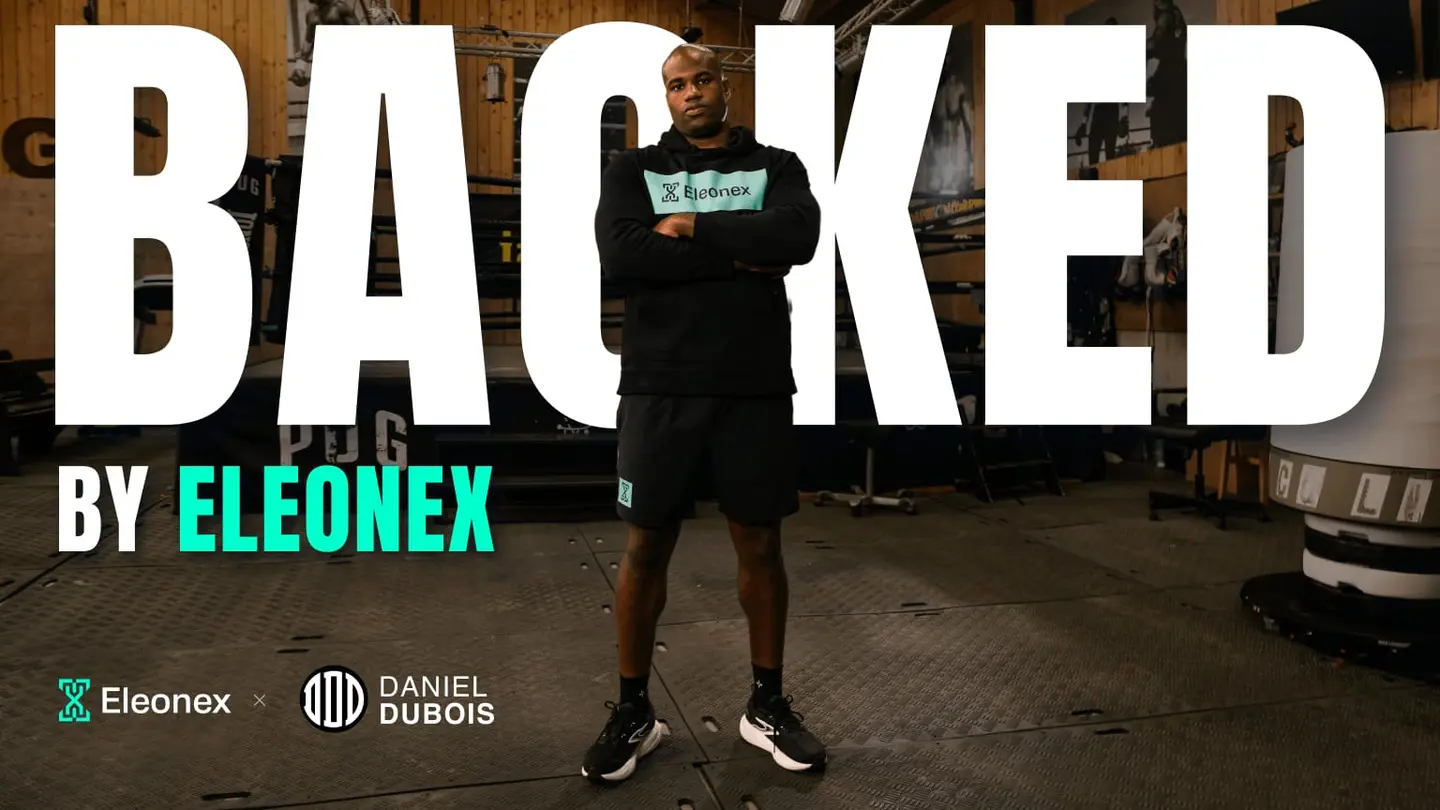
Prop Firm Eleonex Signs WBO World Heavyweight Champion Daniel Dubois as Brand Ambassador
The strategic move brings the Eleonex brand closer to a broader audience. Prop firm Eleonex recently inked a brand ambassador deal with British professional heavyweight…
Read More
- Company News October 12, 2026
Eleonex TradeLocker Partnership: New Trading Platform
Eleonex and TradeLocker are expanding the options available to traders, giving Eleonex traders access to TradeLocker as an additional trading platform. October 8, 2026 —…
Read More - Prop Trading October 12, 2026
What is Eleonex and how does its funded trading work?
Eleonex is a prop rietary trading firm that funds disciplined traders with up to $300K in simulated accounts and shares profits through a reward split.…
Read More

Stay Informed,
Stay Ahead
Bookmark this blog to keep your edge sharp. Whether you're prepping for your first challenge or scaling into a six-figure funded account, our insights are here to help.
