
Published
Why Traders Fail Prop Firm Challenges Even With a Good Strategy

You can have a profitable trading strategy and still fail a prop firm challenge.
It sounds contradictory, but it happens more often than you might think. A trader can understand the market, identify good setups and have a strategy that works over time, yet still lose an account because of what happens between the trades.
The problem is often not the strategy itself. It is how the trader executes it under pressure.
A prop firm challenge adds another layer to trading. You are not only trying to find profitable opportunities. You also need to manage drawdown, control your risk and stay consistent enough to protect the account while working toward your target.
Here are some of the most common reasons traders fail prop firm challenges, even when they have a strategy that works.
A Good Strategy Doesn’t Guarantee Good Execution
A trading strategy gives you a framework. It tells you what to look for, when to enter and when to exit.
But a strategy cannot stop you from taking five trades when you normally take two. It cannot stop you from doubling your position after a loss. And it cannot stop you from moving your stop because you do not want to accept a losing trade.
That is where execution becomes just as important as the strategy.
Two traders can use exactly the same setup and get completely different results simply because they manage the trades differently.
A profitable strategy only gives you an edge. You still have to use that edge consistently.
Overtrading After a Loss
One losing trade is usually not what breaks an account.
The problem often starts with the trade that comes after it.
You take a loss. You feel like the setup should have worked. Instead of accepting it and waiting for the next opportunity, you start looking for another trade immediately.
Then another.
Before long, you are no longer trading your plan. You are trying to get your money back.
This is commonly known as revenge trading, and it can turn a normal losing day into a serious drawdown.
A simple rule can help: a loss should not change the way you trade your next setup.
If your strategy normally calls for 0.5% risk, losing a trade does not suddenly make 1% risk a better idea.
2. Taking Too Much Risk to Reach the Target Faster
Another common prop firm challenge mistake is trying to finish as quickly as possible.
Imagine your target is 8%. You have a good start and make 3%. Suddenly, the target feels close. Instead of continuing with the same approach, you decide to increase your position size so you can get there faster.
It works once.
Maybe twice.
But the same decision also increases the amount you can lose when the market moves against you.
This creates a dangerous cycle. A trader becomes focused on the target instead of the process, and risk starts increasing simply because the finish line looks close.
Passing quickly is not necessarily passing well.
There is no advantage in reaching a target in three days if the same approach puts your account at unnecessary risk.
3. Ignoring the Drawdown Rules
Understanding a prop firm’s drawdown rules is one of the most important things you can do before placing your first trade.
Daily drawdown, maximum drawdown and floating losses can all affect your account differently depending on the program.
A trader might have a position that eventually becomes profitable, but that does not mean the position was safe to hold. If the account reaches a defined loss limit along the way, the trade can still put the account at risk.
This is why traders should understand exactly:
- How daily drawdown is calculated
- How maximum drawdown is calculated
- Whether floating losses count toward the limits
- When the limits reset
- What happens if a limit is reached
The rules are not something to read after you start trading. They are part of the trading plan itself.
4. Changing Your Strategy Mid-Challenge
Three losing trades can make even a confident trader question their entire strategy.
Suddenly, the setup that worked for months does not feel reliable anymore.
So the trader changes something.
Maybe they switch timeframes. Maybe they start using a different indicator. Maybe they begin copying another trader’s approach.
Then the new strategy produces a loss too.
The problem is that they are no longer testing one system. They are constantly changing the variables.
A challenge is not the best place to reinvent your entire trading strategy.
If you have a strategy with a genuine edge, give it enough room to work. A few losing trades do not automatically mean the strategy has stopped working.
5. Trading the Market Instead of Trading Your Setup
The market is always moving.
There is always another candle forming, another breakout, another sudden move that looks like an opportunity.
But movement does not automatically mean there is a trade.
One of the biggest differences between disciplined traders and impulsive traders is the ability to wait.
A disciplined trader thinks:
“Is my setup there?”
An impulsive trader thinks:
“Something is happening. How can I get involved?”
That small difference can lead to completely different results.
FOMO often starts with a trade that was never part of the original plan. Once you start chasing a move, it becomes much easier to abandon your entry rules, increase risk or enter at a worse price.
Sometimes the best trade is the one you decide not to take.
6. Letting a Winning Streak Change Your Behaviour
Losses get a lot of attention in trading psychology, but winning streaks can be just as dangerous.
After several successful trades, confidence naturally increases. That is not necessarily a bad thing.
The problem starts when confidence becomes overconfidence.
You begin taking setups you would normally skip. Your position size gets larger. You stop being as selective. You start believing that you have figured out the market.
Then one trade goes against you.
The danger is not simply losing the trade. It is that the trader is now exposed to more risk than their original plan allowed.
A winning streak should not change your risk management.
The rules that protected your account before the winning streak are still the rules that protect it afterward.
7. Trying to Finish the Challenge Too Quickly
This is closely related to excessive risk, but it deserves its own mention.
You are up 6%. Your target is 8%.
Instead of thinking, “My plan is working, so I will continue,” your mindset changes to:
“I only need 2% more.”
That sounds harmless, but it can completely change your behaviour.
You start looking for trades that will get you there faster. You take a setup slightly outside your criteria. You increase your position size because you want to finish today.
The market does not care how close you are to your target.
There is no special reward for reaching it faster.
The goal is not simply to pass the challenge. The goal is to develop an approach that you can continue using once you do.
What Successful Prop Traders Do Differently
There is no single formula that guarantees success in a prop firm challenge.
But traders who consistently manage risk tend to have a few things in common.
They protect the downside first
They understand that staying in the game matters more than making one big day.
They know their numbers
They know how much they normally risk, how many trades they take and what their typical win rate and risk-to-reward look like.
They do not need to trade every day
If there is no setup, there is no reason to force one.
They separate the outcome from the process
A good trade can lose money. A bad trade can make money.
What matters is whether the decision was consistent with the strategy and risk plan.
They treat the challenge like a trading account, not a lottery ticket
This is perhaps the biggest difference.
The goal is not to make as much as possible as quickly as possible.
It is to make good decisions repeatedly while keeping risk under control.
A Simple Checklist Before You Start a Prop Firm Challenge
Before placing your first trade, make sure you can answer these questions:
- Do I understand the daily drawdown?
- Do I understand the maximum drawdown?
- Do I know how floating P&L affects my account?
- Do I know which trading conditions are allowed?
- Do I know how much I am risking per trade?
- Do I have a clear entry and exit plan?
- Am I prepared to stop trading when there is no valid setup?
- Am I trying to follow my strategy or simply reach the target?
If you cannot confidently answer these questions, it may be worth taking some time to understand the rules before you start.
Final Thoughts
Passing a prop firm challenge is not only about finding profitable trades.
It is about being able to repeat good decisions while protecting your downside.
A strong strategy gives you a starting point. Discipline, risk management and consistency are what allow you to stay in the game.
The best approach is usually not the one that gets you to the target the fastest. It is the one you can execute without constantly changing your risk, chasing the market or making decisions based on your latest win or loss.
Before choosing a challenge, understand the rules, know your risk and choose an account that fits the way you actually trade.
Ready to trade with clear rules?
Our Latest Stories
- Company Updates October 17, 2026
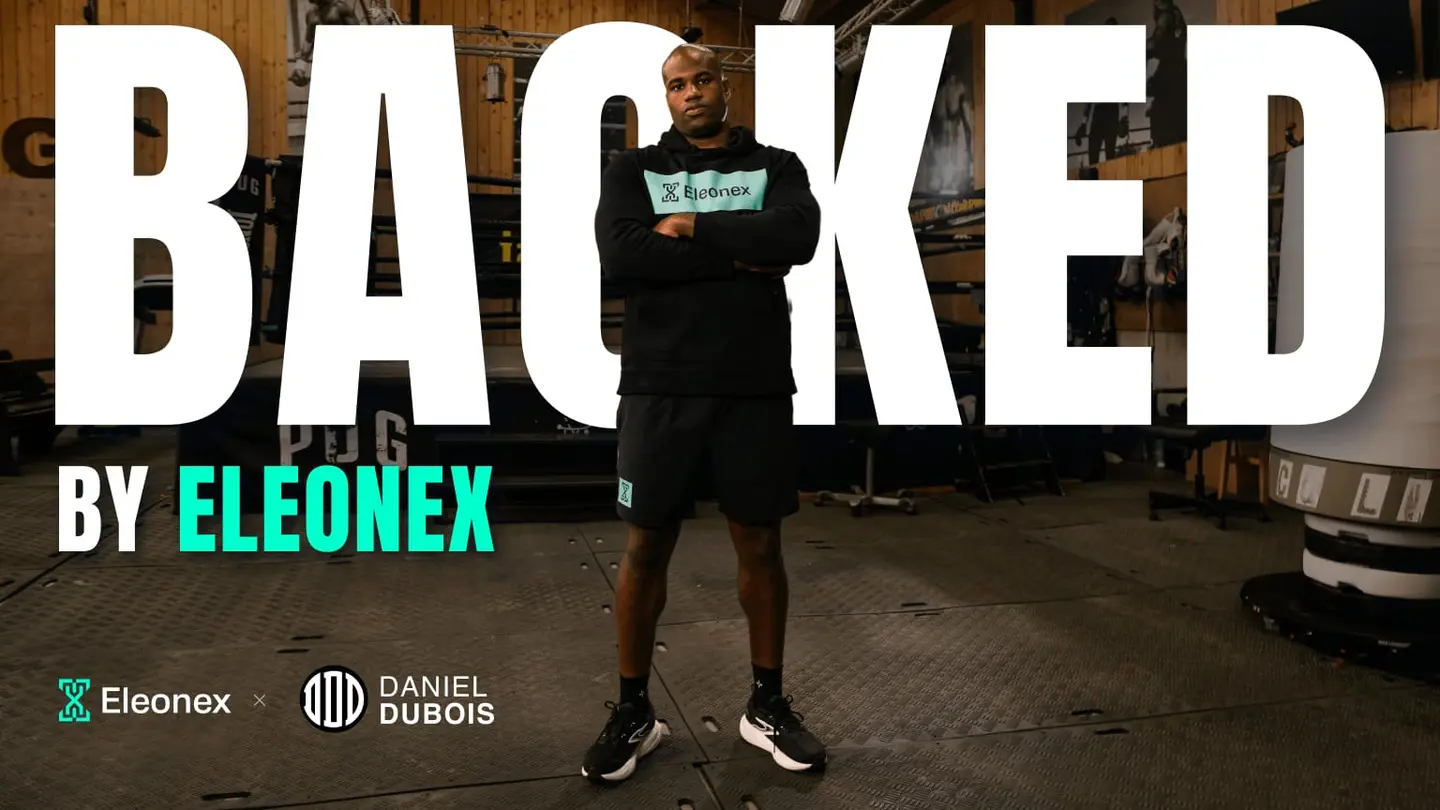
Prop Firm Eleonex Signs WBO World Heavyweight Champion Daniel Dubois as Brand Ambassador
The strategic move brings the Eleonex brand closer to a broader audience. Prop firm Eleonex recently inked a brand ambassador deal with British professional heavyweight…
Read More
- Company News October 12, 2026
Eleonex TradeLocker Partnership: New Trading Platform
Eleonex and TradeLocker are expanding the options available to traders, giving Eleonex traders access to TradeLocker as an additional trading platform. October 8, 2026 —…
Read More - Prop Trading October 12, 2026
What is Eleonex and how does its funded trading work?
Eleonex is a prop rietary trading firm that funds disciplined traders with up to $300K in simulated accounts and shares profits through a reward split.…
Read More


Stay Informed,
Stay Ahead
Bookmark this blog to keep your edge sharp. Whether you're prepping for your first challenge or scaling into a six-figure funded account, our insights are here to help.
